Planning rules for windows in Steyning and the nearby villages
Before choosing a window, find out three things: who your planning authority is, if you are in a conservation area, and if your house is listed.
1. Who is the planning authority?
Steyning town is not in the South Downs National Park. The Park boundary runs along the north and west edges of the conservation area, and about a third of the parish, mostly the downland to the south and west, lies inside it. The National Park Authority's own comments on the Steyning Neighbourhood Plan say the settlement of Steyning is outside the Park. For a house in the town, the planning authority is Horsham District Council.
Several of the surrounding villages are different:
- Findon is wholly inside the Park. The South Downs National Park Authority has dealt with planning there since April 2011.
- Washington: the parish south of the A283, which includes the old village, is in the Park.
- Bramber: the village itself is outside the Park, but most of the parish, including Annington and Botolphs, is inside.
- Upper Beeding sits on the northern edge of the Park, and Small Dole is partly within it.
- Henfield is outside the Park.
Where a house is inside the Park in Horsham or Arun districts, the National Park Authority's own planning team handles the application. If you are near a boundary, check your address on the National Park Authority's map before you assume.
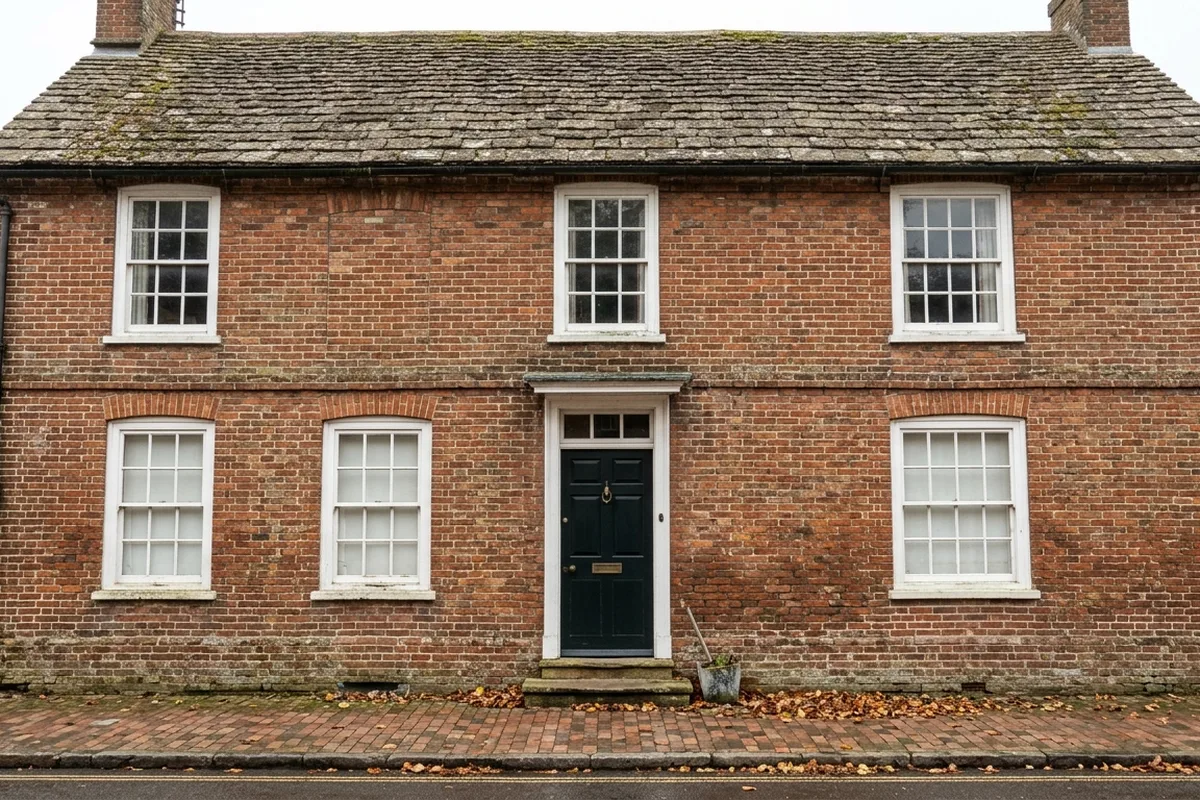
2. Are you in a conservation area?
Steyning has one conservation area, covering the old town: Church Street, the High Street, Charlton Street, Jarvis Lane, Sheep Pen Lane, Mill Road, Station Road and the lanes between them. Horsham District Council adopted an appraisal and management plan for it in 2018. Bramber, Henfield, Washington, and Upper Beeding (High Street and Hyde Street, two separate areas) also have conservation areas. Findon's is centred on The Square.
In a conservation area, a house that is not listed and not a flat can normally have its windows replaced without a planning application, provided the new windows are of similar appearance to the old. That is the condition to take seriously: a cottage with small-paned casements should get small-paned casements back.
Article 4 directions
An Article 4 direction removes those permitted development rights, so that even like-for-like window changes need permission. We have not found one covering windows in Steyning, and the council's 2018 appraisal does not mention one. The Article 4 directions the National Park Authority lists near Bramber, Upper Beeding and Findon concern farmland and open land, not house windows. Findon's neighbourhood plan says the parish council will consider asking for permitted development rights to be removed on buildings of character, so that could change. Ask the relevant council to confirm for your address before ordering.
3. Is the house listed?
Steyning's conservation area contains 109 listed buildings, two of them Grade I and six Grade II*. You can search the National Heritage List on Historic England's website by address. If your house is listed, any change to its windows, including double glazing, needs listed building consent, whatever the material. Expect repair to be the first question, and timber to be the usual answer if replacement is agreed.
Flats
Flats and maisonettes do not have the permitted development rights that houses do. If you live in a converted building on the High Street, check with the council before changing the look of the windows.
Building regulations
Replacement windows must meet building regulations for heat loss, safety glazing and escape from upstairs rooms. A FENSA-registered installer can certify that itself and send you the certificate, so you do not need a separate building control application. You can check an installer's registration on the FENSA website.
If you are unsure where your house stands, call 01903 948046, or send your details.